Cloudflare2 min read
EmDash: A Practical Look at Cloudflare's "WordPress Successor" (with Zero Trust in Practice)
Testing Cloudflare's EmDash with Zero Trust integration — a shift in how content platforms are designed, secured, and operated.
Introduction
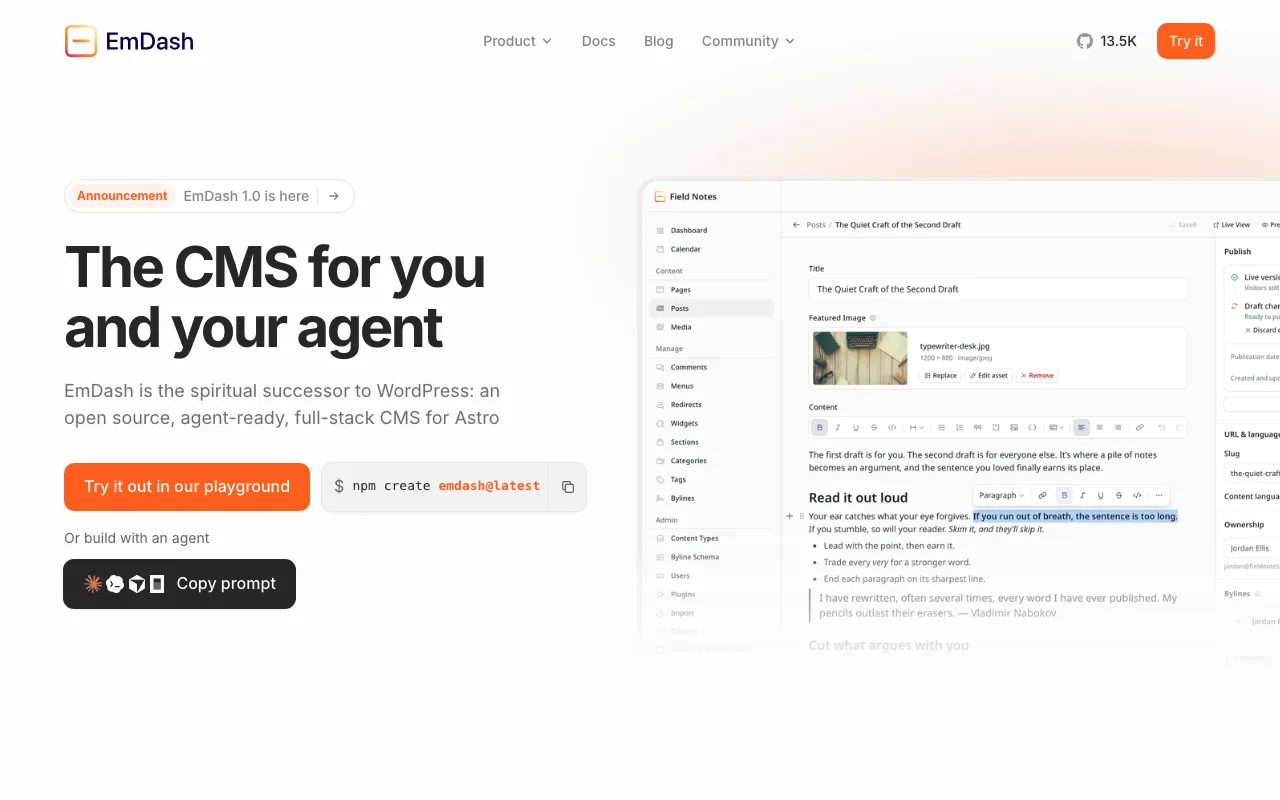
Cloudflare’s EmDash represents more than just a WordPress alternative. After testing it with Cloudflare Zero Trust integration, it looks like a shift in how content platforms are designed, secured, and operated.
The Architecture Difference
Traditional WordPress was constructed around stateful servers, PHP execution, and database-centric logic. This model enabled widespread adoption but created security vulnerabilities, typically emerging from plugins with excessive permissions.
EmDash inverts this approach. Rather than securing plugins after deployment, the system constrains them from inception. Plugins operate in isolated environments with explicit permissions and no implicit system access. The technical foundation consists of TypeScript, Astro for the frontend, and Cloudflare Workers using V8 isolates.
Zero Trust Implementation
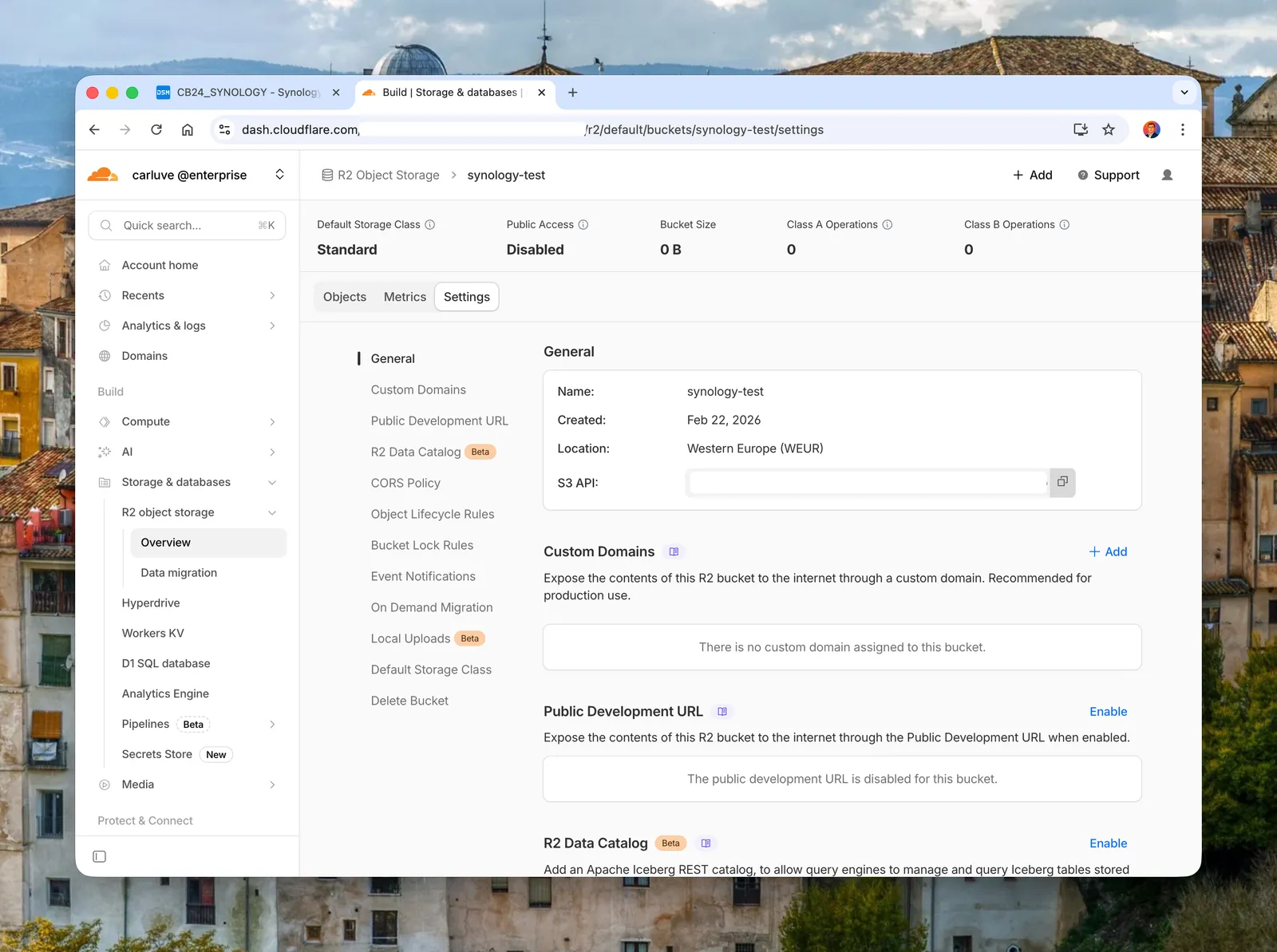
EmDash integrates with Cloudflare Access to eliminate conventional attack surfaces. Authentication is entirely delegated to Cloudflare Access rather than embedded within the CMS itself, shifting security up the stack as an infrastructure concern.
Admin Interface and Frontend
The admin dashboard provides essential content management functions — posts, media handling — without accumulated complexity. The frontend separation using Astro creates clearer boundaries between content and presentation, diverging from WordPress’s intertwined logic and rendering.
Plugin Ecosystem Challenges
Sandboxed plugins with explicit permissions offer architectural improvements, yet EmDash faces uncertainty regarding ecosystem adoption. WordPress’s success derived from its ecosystem; EmDash reverses this, starting with a strong architectural foundation and aiming to build the ecosystem afterwards.
Platform Dependency Consideration
While EmDash theoretically operates independently, its design aligns closely with Cloudflare’s infrastructure — Workers, R2, and Access. This reflects an industry convergence where infrastructure, security, and application layers are increasingly merging.
Conclusion
EmDash remains early-stage but demonstrates how next-generation content platforms might integrate security, edge infrastructure, and developer experience as foundational rather than secondary considerations.