
AI2 min read
Unlocking the Power of Generative AI with Databricks: Turning Data into 'New Oil'
Every company today is talking about Generative AI. The promise is clear: unlock hidden value, reduce costs, and create new opportunities.
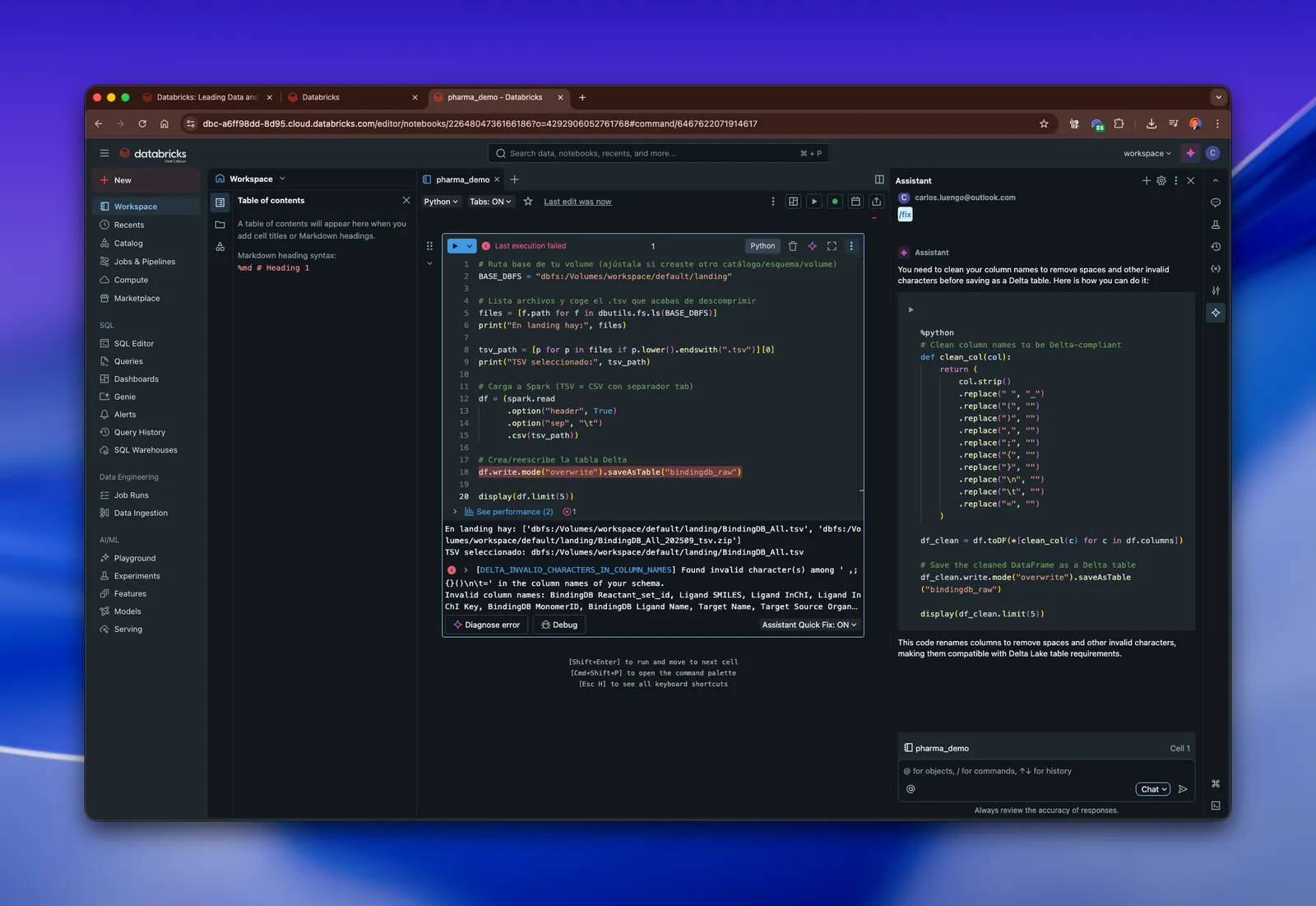
But here’s the challenge: without a solid data foundation, it’s almost impossible to realise this promise. Generative AI models need high-quality, structured, and accessible data. If your information is scattered across silos, poorly cleaned, or hard to query, you’ll struggle to make AI work at scale.
That’s where Databricks comes in.
Why Databricks?
Databricks provides a Lakehouse Platform — a unified environment where you can:
- Collect and unify all your data.
- Clean, structure, and prepare it.
- Query and explore at scale.
- Enable analytics, machine learning, and Generative AI.
In other words: if data is the new oil, then Databricks is the refinery.
From Data Chaos to AI Readiness
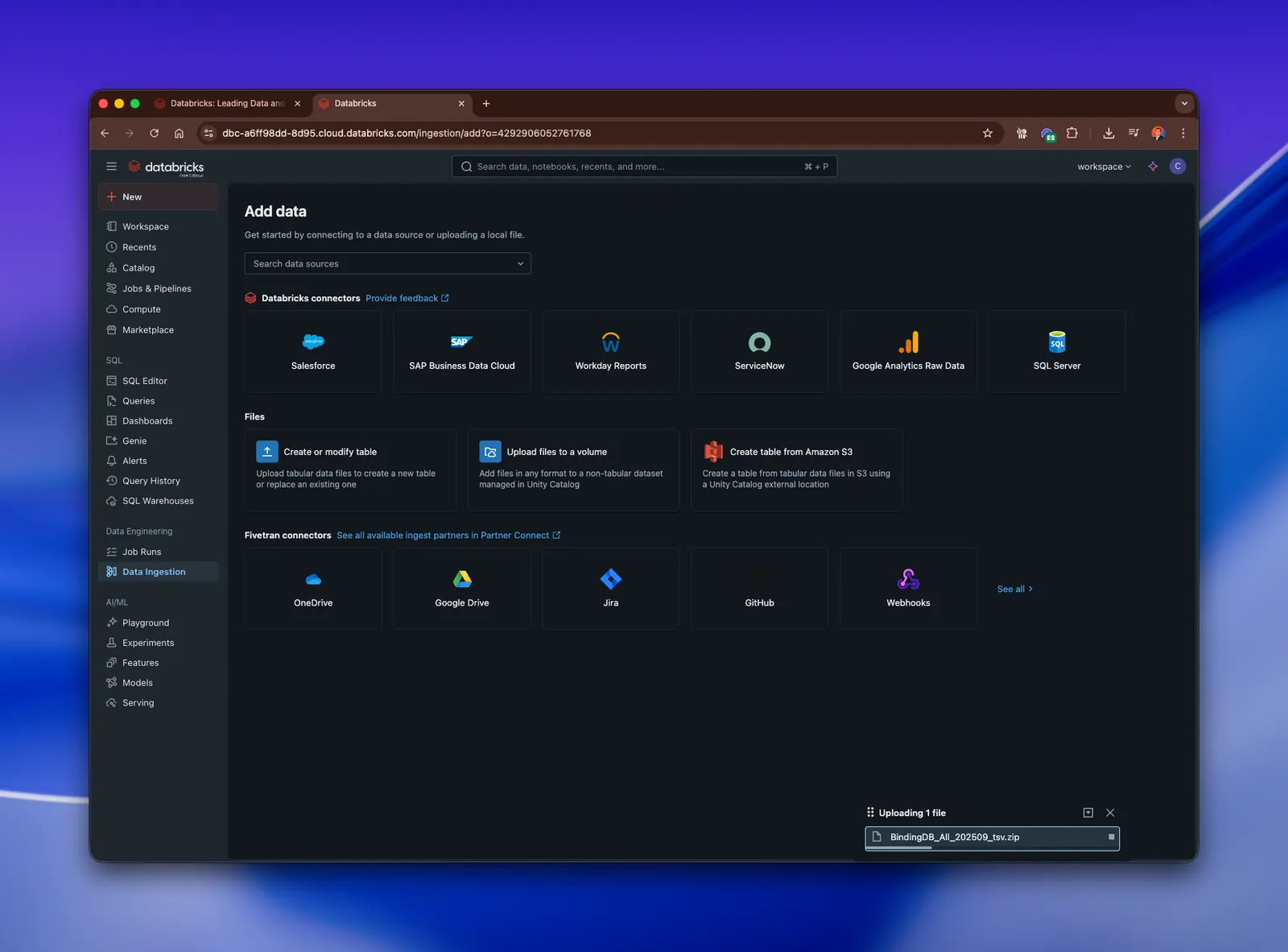
1. Ingesting data
With Databricks, you can easily bring in data from files, databases, or cloud sources.

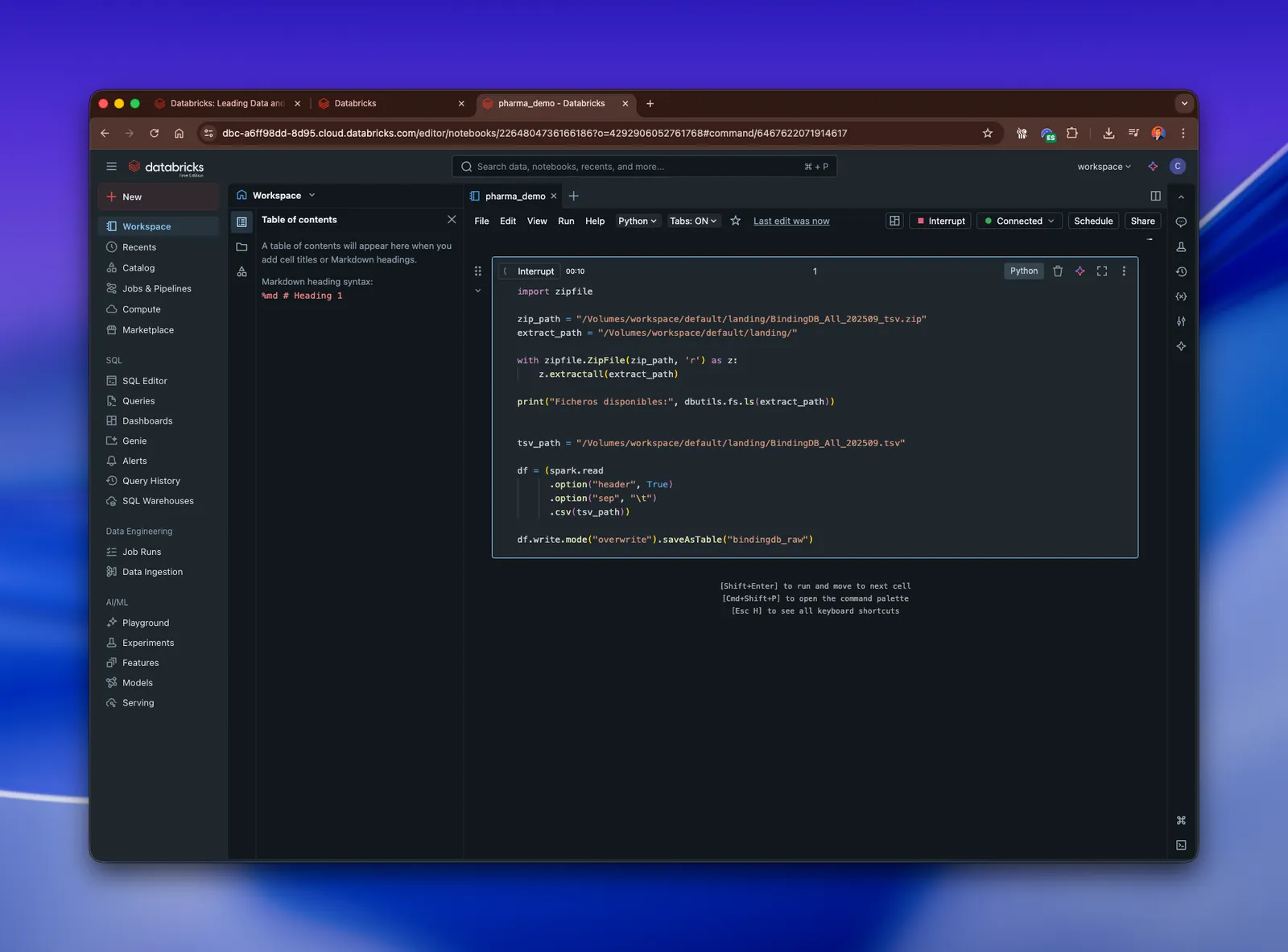
2. Cleaning and preparing
Once inside, Databricks notebooks allow you to clean and standardise messy real-world data so that it’s ready for downstream AI.

3. Exploring and querying
Data can then be explored with SQL, Python, or even natural language. You get full visibility into volumes, patterns, and structures.
4. Enabling AI & Generative AI
With data in place, Databricks connects seamlessly with machine learning and Generative AI frameworks — making it possible to move from raw datasets to scalable AI use cases.
Why This Matters
Most organisations spend millions managing their data — but very few manage to extract its true value. Generative AI has the potential to change that, but only if built on top of a robust and unified data platform.
Without Databricks, the journey is fragmented and error-prone. With Databricks, it becomes clean, scalable, and collaborative.
What Comes Next
This post was about the solution — how Databricks enables you to prepare data for Generative AI.
👉 In the next post, I’ll dive into a real-world use case: how Generative AI, powered by Databricks, can unlock new value in the pharmaceutical industry.